
 Login


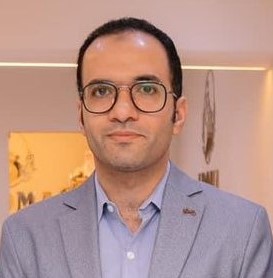
Ass. Prof. / Haitham Gamal Abu-el-Ela
Associate Professor
haitham.aboalela@frc.suezuni.edu.eg
/
/

- PhD in Genetics and Genetic Engineering (2017)
- Masters in Genetics and Genetic Engineering (2014)
- Bachelor of Veterinary Medical Science (2007)
-
Named among World’s Top 2% Impactful Scientists according to Stanford University Ranking: Years 2020 (report 2021), 2021 (report 2022) and 2022 (report 2023).
-
Recipient, Editor of Distinction Awards, 2025 – Scientific Reports
Springer Nature Editorial Contribution Award & Springer Nature Author Service Award
Recognised for exemplary editorial contributions, including meticulous evaluation of manuscript submissions, rigorous peer review management ensuring scientific integrity, and outstanding commitment to enhancing the author experience through efficient, constructive, and fair peer review processes.
-
Suez University acknowledgment for the 1st rank among the university scientists listed in the Stanford University Ranking of World’s Top 2% Impactful Scientists report.
-
Suez University incentive prize in international publishing for the years: 2024, 2023, 2021, and 2020.
- 5th International Multidisciplinary Conference for Young Researchers (MCYR). (October 2024) as both a speaker and attendee. Gave an oral presentation.
Organized by Czech University of Life Sciences Prague, Czech Republic.
- Belgrade Bioinformatics Conference - BelBI2021. (June 2021) as both a speaker and attendee. Gave an oral presentation.
Organized by Vinča Institute of Nuclear Sciences, University of Belgrade, Serbia; sponsored by the Ministry of Education and Science of the Republic of Serbia and the ICGEB International Centre for Genetic Engineering and Biotechnology.
- Strategies to Promote Inclusion and Transparency in Aquaculture Management in West Africa. (May 2021)
Organized by the University of Ghana in collaboration with the Chamber of Aquaculture Ghana (COA) with support from the World Aquaculture Society African Chapter.
- BioVision Alexandria 2016; organized by Bibliotheca Alexandrina, Egypt. (April 2016)
Haitham G. Aboalela (H. G. Abo-Al-Ela), DVM, MSc, PhD. Lecturer at Faculty of Fish Resources, Suez University, Egypt. He received a B.Sc. in Veterinary Medical Sciences, his Ph.D. and MSc degrees in genetics and genetic engineering from the Faculty of Veterinary Medicine, University of Kafrelsheikh, Egypt. He was a geneticist at Animal Health Research Institute, Egypt (2015–2020). Dr. Haitham, with about 10 years’ experience in molecular genetics, explores and provides helpful findings, ideas worth spreading, and future perspectives. He has several publications, including original articles, reviews, perspectives, and viewpoints in internationally recognized peer-reviewed journals. His work also includes book chapters in international well-recognized scientific house. He is named among the top 2% impactful scientists globally according to Stanford University Ranking. His focus is epigenetics, particularly noncoding RNA biology. The work by Abo-Al-Ela focuses on harnessing molecular genetics and biotechnology to improve the productivity and health of aquatic animals. He is a certified international reviewer for many internationally recognized peer-reviewed journals. He collaborates with peers around the globe to present high-standard scientific work.
Clarivate (formerly Publons): https://www.webofscience.com/wos/author/record/G-9693-2016
Molecular Genetics; Genetic Engineering; Biotechnology
https://scholar.google.com/citations?user=lkcYvLYAAAAJ
https://www.scopus.com/authid/detail.uri?authorId=56058935300
https://www.webofscience.com/wos/author/record/G-9693-2016
https://www.researchgate.net/profile/Haitham-Abo-Al-Ela
Abo-Al-Ela, H. G., Falco, F., Faggio, C., 2024. "Exposure and health impact of pharmaceutical residue ingestion via dietary sources and drinking water". In Pharmaceuticals in Aquatic Environment: Toxicity, Monitoring and Remediation Technologies, edited by Garg V. K., Pandey A., and Kataria N., pp.119–139. CRC Press, Taylor & Francis. Boca Raton, Florida. (Book Chapter)
https://doi.org/10.1201/9781003361091-8
https://doi.org/10.1201/9781003361091 (the whole book)
Undergraduate courses:
1- Genetics
2- Biotechnology
3- Research and Discussion
Postgraduate courses:
1- Aquaculture Biotechnology
2- Basics in Molecular Biology
3- Genetic Improvement of Aquatic Organisms
4- Genetic Engineering of Infectious Microbes
5- Molecular Immunogenetics
6- Molecular Tools for Diagnosis
7- Population Genetics
- Gamil, M. R. #, Abu-Elala, N. M., Abo-Al-Ela, H. G.*, #, 2025. Toxicity of 6PPD-quinone in European seabass (Dicentrarchus labrax) under baseline and Vibrio alginolyticus challenge conditions: Protective insights from astaxanthin mitigation. Science of the Total Environment 987, 179821.
# Equal contribution and first authorship: These authors contributed equally to this work and share first authorship.
https://doi.org/10.1016/j.scitotenv.2025.179821
- Abou Zaid, A. A., Mohammed, N. H., Elshafey, A. E., Hussein, E. E., El-Gamal, A. M. Abo-Al-Ela, H. G.*, 2025. Mentha piperita supplementation promotes growth,
immunity, and disease resistance in Nile tilapia against
Aeromonas hydrophila. Pathogens 14(4), 378.
https://doi.org/10.3390/pathogens14040378
- Abo-Al-Ela, H. G.*, Mahdi, S., Angthong, P., Rungrassamee, W., 2025. Probiotic modulation of key immune macromolecules in shrimp. Microbial Pathogenesis 203, 107463.
https://doi.org/10.1016/j.micpath.2025.107463
- Elahwl, E. A., Assar, D. H., Al-Hawary, I. I., Salah, A. S., Ragab, A. E., Elsheshtawy, A., Assas, M., Abo-Al-Ela, H. G., Fouad, A. F., Elbialy, Z. I., 2025. Alleviation of glyphosate-induced toxicity by Horseradish tree (Moringa oleifera) Leaf extract and phytase in Nile Tilapia (Oreochromis niloticus) highlighting the antioxidant, anti-inflammatory, and anti-apoptotic activities. Veterinary Research Communications 49, 135.
https://doi.org/10.1007/s11259-025-10672-5
- Abd El-Naby, A. S., El Asely, A. M., Hussein, M. N., Khattaby, A. A., Abo-Al-Ela, H. G.*, 2025. Impact of dietary Biocide clay on growth, physiological status, and histological indicators of the liver and digestive tract in Nile tilapia (Oreochromis niloticus). Scientific Reports 15, 5311.
https://doi.org/10.1038/s41598-025-89042-9
- Bedir, E. A.#, Said, M. M., Al wakeel, R. A., Nasr-Allah, A. M., Abo-Al-Ela, H. G.*, #, 2025. A comparative study of the genetically improved Abbassa Nile tilapia strain (GIANT‐G9) and a commercial strain in Egypt: Growth vs stress response. Veterinary Research Communications 49, 75.
# Equal contribution and first authorship: These authors contributed equally to this work and share first authorship.
https://doi.org/10.1007/s11259-024-10639-y
- Fouad, A. F., Abo-Al-Ela, H. G.*, Moneeb, R. H., Alfons, M. S., Salah, A. S., Yusuf, S., 2025. Impact of Bambusa vulgaris-supplemented diet on Nile tilapia challenged with Pseudomonas putida: Hematological, immune, and oxidative responses. Fish and Shellfish Immunology, 157, 110102.
https://doi.org/10.1016/j.fsi.2024.110102
- Hameda, S., El-Kassas, S., Abo-Al-Ela, H. G.*, Abdo, S. E., Abou-Ismail, U. A., Mohamed, R. A., 2024. Temperature and feeding frequency: Interactions with growth, immune response, and water quality in juvenile Nile tilapia. BMC Veterinary Research, 20, 520.
https://doi.org/10.1186/s12917-024-04366-4
- Fouad, A. M., Abo-Al-Ela, H. G.*, §, Negm, E. A., Abdelhaseib, M., Alian, A., Abdelsater, N., Said, R. E. M., Anwar, F. A. S., Assar, D. H., Mohamed, S. A.-A., 2024. Impact of Polyonchobothrium magnum on health and gut microbial ecology of African catfish (Clarias gariepinus): Insights from morphological, molecular, and microbiological analyses. Journal of Fish Diseases, e14013.
§ Co-first authors
https://doi.org/10.1111/jfd.14013
- Hameda, S., El-Kassas, S., Abo-Al-Ela, H. G.*, Abdo, S. E., Al Wakeel, R. A., Abou-Ismail, U. A., Mohamed, R. A., 2024. Interactive effects of water temperature and dietary protein on Nile tilapia: Growth, immunity, and physiological health. BMC Veterinary Research, 20, 349.
https://doi.org/10.1186/s12917-024-04198-2
- Said, M. M., Abo-Al-Ela, H. G.*, El-Barbary, Y. A., Ahmed, O. M., Dighiesh, H. S., 2024. Influence of stocking density on the growth, immune and physiological responses, and cultivation environment of white-leg shrimp (Litopenaeus vannamei) in biofloc systems. Scientific Reports, 14, 11147.
https://doi.org/10.1038/s41598-024-61328-4
- Atef, S.#, Ahmed, O. A., Said, M. M., Abo-Al-Ela, H. G.*, #, $, 2024. Dietary Bacillus species modulate lipid metabolism-related parameters, growth, water quality, and bacterial load in Nile tilapia (Oreochromis niloticus). Animal Feed Science and Technology, 310, 115943.
$ Co-first author. # Both authors contributed equally to the experimental and laboratory work.
This article was presented by H.G. Abo-Al-Ela at the 5th International Multidisciplinary Conference for Young Researchers (MCYR), held in October 2024 in Prague, Czech Republic. The conference was organized by the Czech University of Life Sciences.
https://doi.org/10.1016/j.anifeedsci.2024.115943
- Rehan, M. M., Abouzaid, A. A., Abo-Al-Ela, H. G.*, Abdou, M. S., Elsaidy, N. R., 2024. Utilization of Origanum oil as a health promoter in Nile tilapia (Oreochromis niloticus) challenged with Pseudomonas aeruginosa. Aquaculture, 584, 740683.
https://doi.org/10.1016/j.aquaculture.2024.740683
- Abo-Al-Ela, H. G.*, 2024. Noncoding RNA: Are noncoding sequences coding? Does our understanding require reevaluation? Medical Hypotheses, 183, 111253.
https://doi.org/10.1016/j.mehy.2023.111253
- Fouad, A. M., Abd El-Lateif, R. S. A., Abo-Al-Ela, H. G.*, Abdel-Hakeem, S. S., 2024. Cytotoxicity and immunological impact of Trypanosoma sp. infection on blood parameters of wild African catfish, Clarias gariepinus. Parasitology Research, 123, 10.
https://doi.org/10.1007/s00436-023-08026-8
- Abo-Al-Ela, H. G.*, Falco, F., Faggio, C., 2024. "Exposure and health impact of pharmaceutical residue ingestion via dietary sources and drinking water". In Pharmaceuticals in Aquatic Environment: Toxicity, Monitoring and Remediation Technologies, edited by Garg V. K., Pandey A., and Kataria N., pp.119–139. CRC Press, Taylor & Francis. Boca Raton, Florida. (Book Chapter)
https://doi.org/10.1201/9781003361091-8
https://doi.org/10.1201/9781003361091 (the whole book)
- El-Kassas, S., Abo-Al-Ela, H. G.*, Abdulraouf, E., Helal, M. A., Sakr, A. M., Abdo, S. E., 2023. Detection of two SNPs of the LIPE gene in Holstein-Friesian cows with divergent milk production. Journal of Dairy Research, 90(3) 244–251.
https://doi.org/10.1017/S002202992300050X
- AbdEl-Kader, M. F., El-Kassas, S., Abd-Elghany, M. F., Abo-Al-Ela, H. G.*, El-Naggar, K., Al Wakeel, R. A., Zaki, A. G., Grana, Y. S., El-Saftawy, H. A. M. 2023. Dietary selenium nanoparticles positively modulate the growth and immunity of seabream (Sparus aurata) fingerlings exposed to low salinity stress and Vibrio parahaemolyticus challenge. Aquaculture, 576, 739893.
https://doi.org/10.1016/j.aquaculture.2023.739893
- Elbialy, Z. I., Salah, Abdullah S., Elsheshtawy, A., Elkatatny, N. M., Fouad, A. M., Abo-Al-Ela, H. G.*, 2024. Differential tissue regulation of nrf2/keap1 crosstalk in response to Aeromonas infection in Nile tilapia: a comparative study. Aquaculture International, 32(1), 545–562.
https://doi.org/10.1007/s10499-023-01175-8
- Farag, M. R., Abo-Al-Ela, H. G., Alagawany, M., Azzam, M. M., El-Saadony, M. T., Rea, S., Di Cerbo, A., Nouh, D. S., 2023. Effect of quercetin nanoparticles on hepatic and intestinal enzymes, and stress-related genes in Nile tilapia fish exposed to silver nanoparticles. Biomedicines, 11(3), 663.
https://doi.org/10.3390/biomedicines11030663
- Mohammadi, G., Karimi, A. A., Hafezieh, M., Dawood, M. A. O., Abo-Al-Ela, H. G., 2022. Pistachio hull polysaccharide protects Nile tilapia against LPS-induced excessive inflammatory responses and oxidative stress, possibly via TLR2 and Nrf2 signaling pathways. Fish & Shellfish Immunology, 121, 276–284.
https://doi.org/10.1016/j.fsi.2021.12.042
- Burgos-Aceves, M. A.§, Abo-Al-Ela, H. G.§, Faggio C., 2021. Impact of phthalates and bisphenols plasticizers on haemocyte immune function of aquatic invertebrates: A review on physiological, biochemical, and genomic aspects. Journal of Hazardous Materials, 419, 126426. § Co-first authors
https://doi.org/10.1016/j.jhazmat.2021.126426
- Abo-Al-Ela, H. G.*, 2021. The emerging regulatory roles of noncoding RNAs in immune function of fish: MicroRNAs versus long noncoding RNAs. Molecular Genetics and Genomics, 296(4), 765–781.
This article was presented at the Belgrade Bioinformatics Conference 2021 in Serbia, in collaboration with ICGEB, in June 2021.
https://doi.org/10.1007/s00438-021-01786-x
https://belbi.bg.ac.rs/wp-content/uploads/2021/06/Book_of_Abstracts_2021-1.pdf
- Abo-Al-Ela, H. G.*, El-Kassas S., El-Naggar K., Abdo S. E., Jahejo A. R., Al wakeel R. A., 2021. Stress and immunity in poultry: light management and nanotechnology as effective immune enhancers to fight stress. Cell Stress and Chaperones, 26(3), 457–472.
https://doi.org/10.1007/s12192-021-01204-6
- Abo-Al-Ela, H. G.*, 2021. RNA interference in aquaculture: A small tool for big potential. Journal of Agricultural and Food Chemistry, 69(15), 4343–4355.
https://doi.org/10.1021/acs.jafc.1c00268
- Abdo, S. E., Gewaily M. S., Abo-Al-Ela, H. G., Rafa A., Soliman A. A., Elkomy A. H., Dawood M. A.O, 2021. Vitamin C rescues inflammation, immunosuppression and histopathological alterations induced by chlorpyrifos in Nile tilapia. Environmental Science and Pollution Research, 28, 28750–28763.
https://doi.org/10.1007/s11356-021-12711-5
- El Nahas A. F., Elkatatny N. M., Abo-Al-Ela H. G., 2021. Phylogenetic analysis of variable and conserved genomic regions in severe acute respiratory syndrome coronavirus 2 (COVID-19).
https://doi.org/10.21203/rs.3.rs-88200/v2
- Abo-Al-Ela, H. G.*, 2021. Regenerative medicine: Current and future hypothetical research directions. Research in Veterinary Science, 135, 555–556.
https://doi.org/10.1016/j.rvsc.2020.11.004
- Abo-Al-Ela, H. G.*, Faggio C., 2021. MicroRNA-mediated stress response in bivalve species. Ecotoxicology and Environmental Safety, 208, 111442.
https://doi.org/10.1016/j.ecoenv.2020.111442
- Burgos-Aceves, M. A., Abo-Al-Ela, H. G., Faggio C., 2021. Physiological and metabolic approach of plastic additive effects: Immune cells responses. Journal of Hazardous Materials, 404(Part A), 124114.
https://doi.org/10.1016/j.jhazmat.2020.124114
- Abo-Al-Ela, H. G.*, Burgos-Aceves, M. A., 2021. Exploring the role of microRNAs in axolotl regeneration. Journal of Cellular Physiology, 236(2), 839–850.
https://doi.org/10.1002/jcp.29920
- Abo-Al-Ela, H. G.*, 2020. Are pathogens completely harmful or useless? ACS Chemical Neuroscience, 11(16), 2388–2390.
This Viewpoint is part of the Special Issue on "CNS-Related Pathogens".
https://doi.org/10.1021/acschemneuro.0c00035
- Abo-Al-Ela, H. G.*, 2020. Toxoplasmosis and psychiatric and neurological disorders: A step toward understanding parasite pathogenesis. ACS Chemical Neuroscience, 11(16), 2393–2406.
This Review Article is part of the Special Issue on "CNS-Related Pathogens".
https://doi.org/10.1021/acschemneuro.9b00245
- Abdel-Mageid, A. D., Zaki, A. G., El Senosi, Y. A., Fahmy, H. A., El Asely, A. M., Abo-Al-Ela, H. G.*, El-Kassas, S., 2020. Modulatory effect of lipopolysaccharide on immune-related gene expression and serum protein fractionation in grey mullet, Mugil cephalus. Aquaculture Research, 51(4), 1643−1652.
https://doi.org/10.1111/are.14510
- Dawood, M. A. O.§, Abo-Al-Ela, H. G.§, Hasan, M. T.§, 2020. Modulation of transcriptomic profile in aquatic animals: Probiotics, prebiotics and synbiotics scenarios. Fish & Shellfish Immunology, 97, 268−282.
§ All authors contributed equally to this work.
https://doi.org/10.1016/j.fsi.2019.12.054
- Abdel-Mageid, A. D., Zaki, A. G., El Senosi, Y. A., El Asely, A. M., Fahmy, H. A., El-Kassas, S., Abo-Al-Ela, H. G.*, 2020. The extent to which lipopolysaccharide modulates oxidative stress response in Mugil cephalus juveniles. Aquaculture Research, 51(1), 426−431.
https://doi.org/10.1111/are.14309
- Abo-Al-Ela, H. G.*, 2019. Does vitamin C mitigate the detrimental effect of androgens on immunity? Research in Veterinary Science, 125, 43−44.
https://doi.org/10.1016/j.rvsc.2019.05.011
- Abo-Al-Ela, H. G.*, 2018. An introduction to selected innate immune-relevant genes in fish. Applied Ecology and Environmental Research, 16(2), 955−976.
http://dx.doi.org/10.15666/aeer/1602_955976
- Abo-Al-Ela, H. G.*, 2018. Hormones and fish monosex farming: A spotlight on immunity. Fish & Shellfish Immunology, 72, 23−30.
https://doi.org/10.1016/j.fsi.2017.10.038
- Abo-Al-Ela, H. G.*, El-Nahas, A. F., Mahmoud, S. and Ibrahim, E. M., 2017. Vitamin C modulates the immunotoxic effect of 17α-methyltestosterone in Nile tilapia. Biochemistry, 56(14), 2042−2050.
https://doi.org/10.1021/acs.biochem.6b01284
- Abo-Al-Ela, H. G.*, El-Nahas, A. F., Mahmoud, S. and Ibrahim, E. M., 2017. The extent to which immunity, apoptosis and detoxification gene expression interact with 17 alpha-methyltestosterone. Fish & Shellfish Immunology, 60, 289−298.
https://doi.org/10.1016/j.fsi.2016.11.057
- Abo-Al-Ela, H. G., El-Magd, A. M., El-Nahas, A. F. and Mansour, A. A., 2014. Association of a novel SNP in exon 10 of the IGF2 gene with growth traits in Egyptian water buffalo (Bubalus bubalis). Tropical Animal Health and Production, 46(6), 947−952. (Highlight of the August issue 2014).
https://doi.org/10.1007/s11250-014-0588-3
- El-Magd, A. M., Abo-Al-Ela, H. G., El-Nahas, A., Saleh A. A. and Mansour, A. A., 2014. Effects of a novel SNP of IGF2R gene on growth traits and expression rate of IGF2R and IGF2 genes in gluteus medius muscle of Egyptian buffalo. Gene, 540(2), 133−139.
https://doi.org/10.1016/j.gene.2014.02.059
- El-Magd, A. M., Abo-Al-Ela, H. G., El-Nahas, F. A. and Mansour, A. A., 2013. SNPs of the MyoD and MyoG genes and their association with growth traits in Egyptian water buffalo (Bubalus bubalis). Indian Journal of Applied Research, 3(12), 34−40.
- Published sequences [some myogenic genes (IGF2, IGF2R, MyoD and MyoG) and sheep pox] in GenBank database; and they have the following accession numbers: KC107769 for IGF2, KC107775, KC415273 and KF031126 for IGF2R, KC107776 for MyoD, KC107779 for MyoG, MF443334 for sheep pox (ORF103), MG564286 for Peste-des-petits-ruminants virus (nucleocapsid), ON638900 for exon 2 of cattle LIPE, and ON638901 for exons 3–6 of cattle LIPE.
-------------------------
* Corresponding author