
 Login


Wednesday, October 29, 2025,
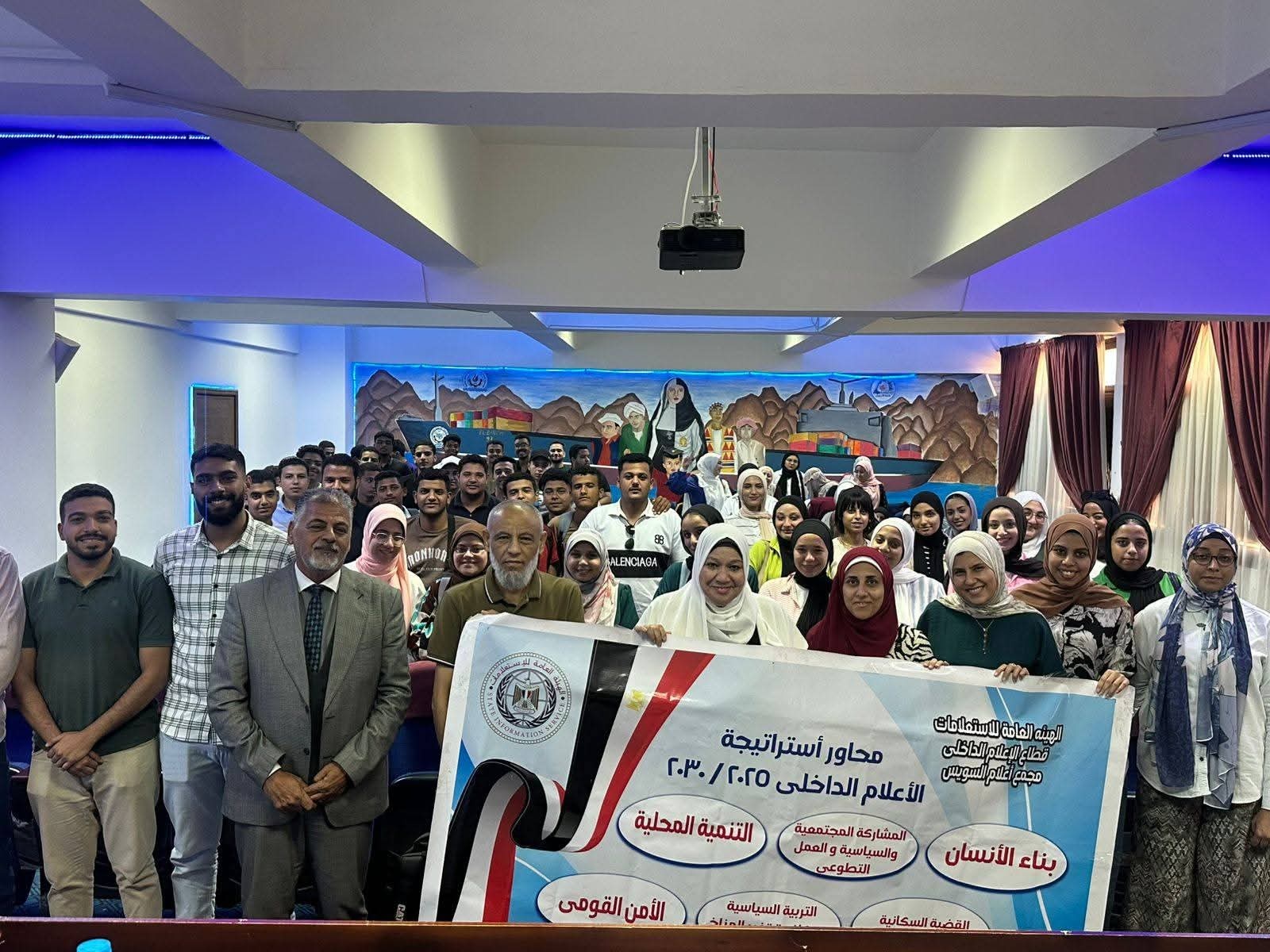
under the patronage of His Excellency Prof. Dr. Ashraf Mohamed Hanigel - President of the University, and within the framework of Suez University’s keenness to spread national awareness of sustainable development issues, an important awareness symposium was held in the college’s conference hall entitled: “The National Strategy for Climate Change 2050: Presentation of the Air Pollution and Climate Change Management Project.” The symposium came in fruitful cooperation with the Nile Media Complex in Suez (affiliated with the Presidency of the Council of Ministers), and under the direct supervision of Prof. Dr. Muhammad Hamza Hassan - Dean of the College. At the beginning of the meeting, His Excellency the Dean opened the symposium activities with a speech in which he welcomed the guests, led by Professor Magda El-Ashmawy - Director of the Suez Media Complex, the faculty members and the supporting staff, and our students, stressing the importance of making them aware of the national strategy. During the symposium, Prof. Dr. Mohamed Hamza Hassan gave a comprehensive presentation, in which he reviewed the main axes of the strategy, explaining the following points: How to balance confronting the effects of climate change and achieving sustainable economic growth. The main objectives of the strategy, including: achieving low-emission economic development. Strengthening resilience to climate change. Enabling effective government management of climate affairs. Strengthening climate finance infrastructure. Developing scientific research and raising community awareness. The presentation also highlighted the great support given by the political leadership to the implementation of this strategy, which was evident in the formation of the “National Climate Change Council” headed by His Excellency the Prime Minister, to ensure the concerted efforts of all government efforts to confront this issue. At the conclusion of the meeting, the door was opened for dialogue and discussion, and the symposium witnessed positive interaction from the attendees and students, who expressed their happiness and appreciation for organizing this important symposium.